Care guides

Simple care for each plant, written for Indian weather.

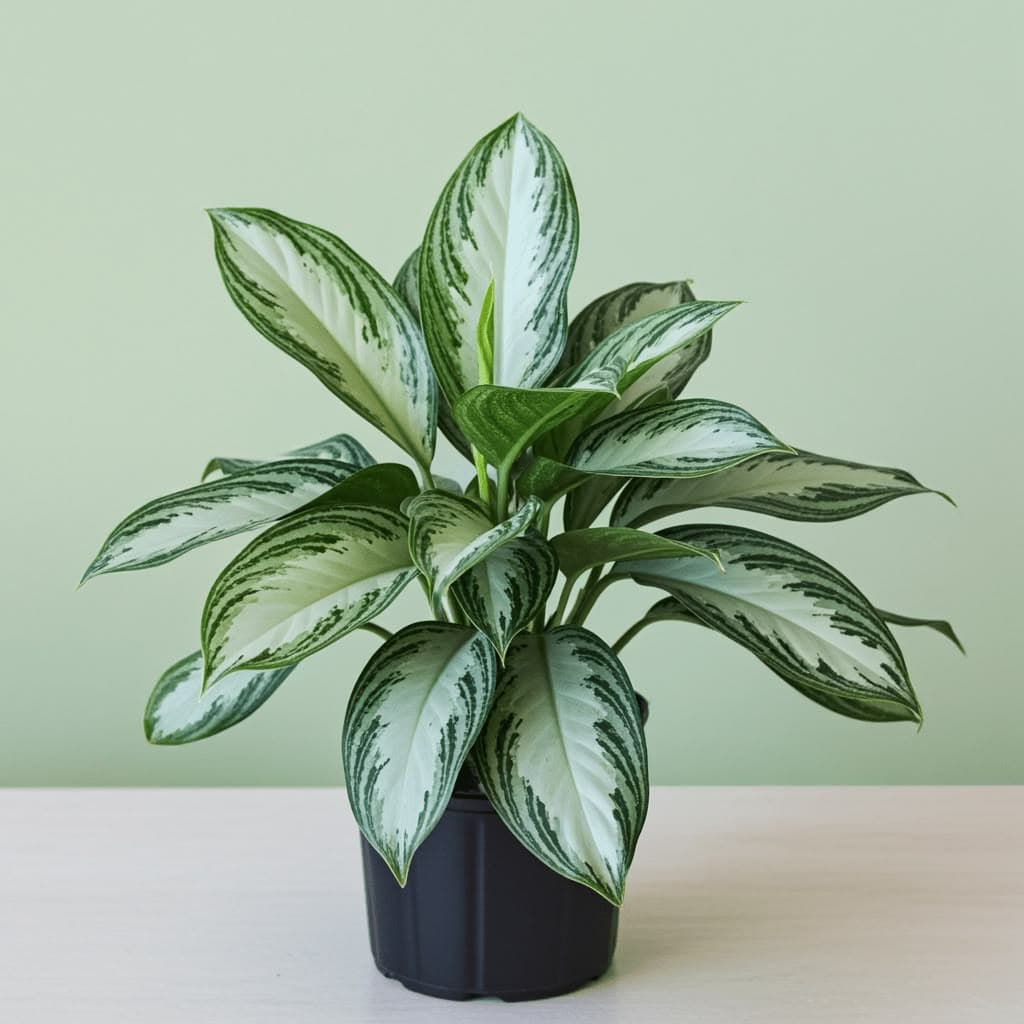
Aglaonema🌿 Houseplant

Aglaonema

Aglaonema commutatum
Medium lightWater every 7dFeed every 60d

Aglaonema is a low-maintenance plant that prefers consistent warmth and moderate humidity. Wipe the leaves occasionally with a damp cloth to remove dust and keep them healthy. Avoid overwatering, especially during the monsoon season, as the roots are sensitive to waterlogged soil.
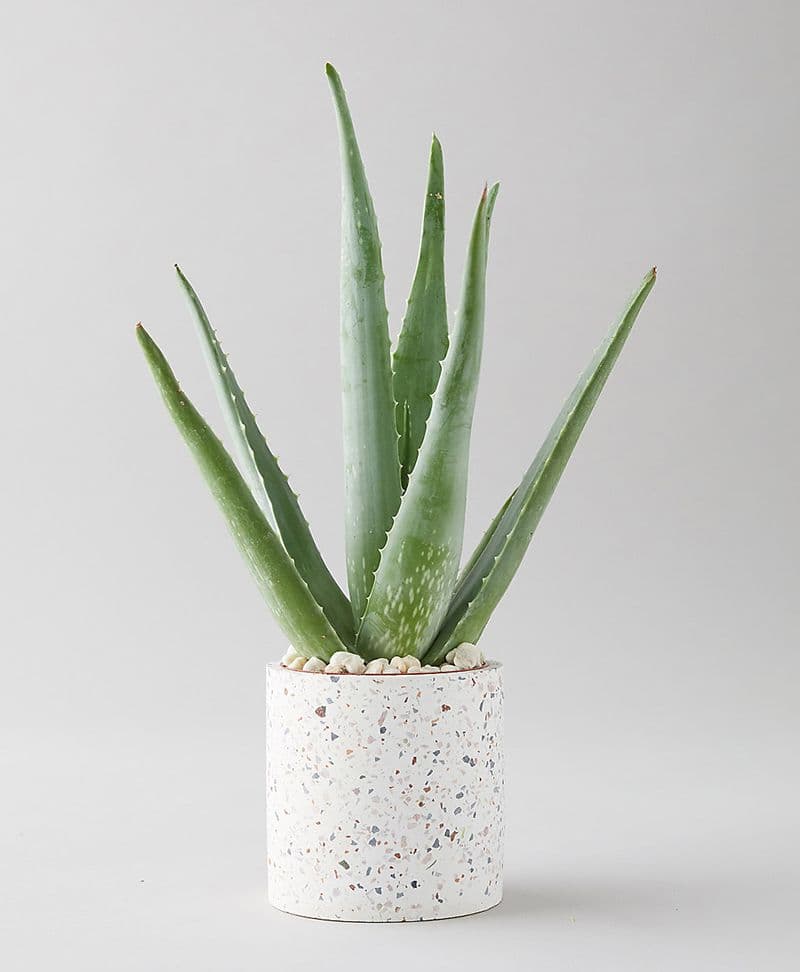
Aloe Vera🌿 Houseplant

Aloe Vera

Aloe barbadensis miller
Bright indirectWater every 16dFeed every 60d

A succulent, not a typical houseplant — plant it in a fast-draining cactus mix, never a pot without drainage. Thin, curling leaves mean it needs more light; mushy brown ones mean it's been overwatered.

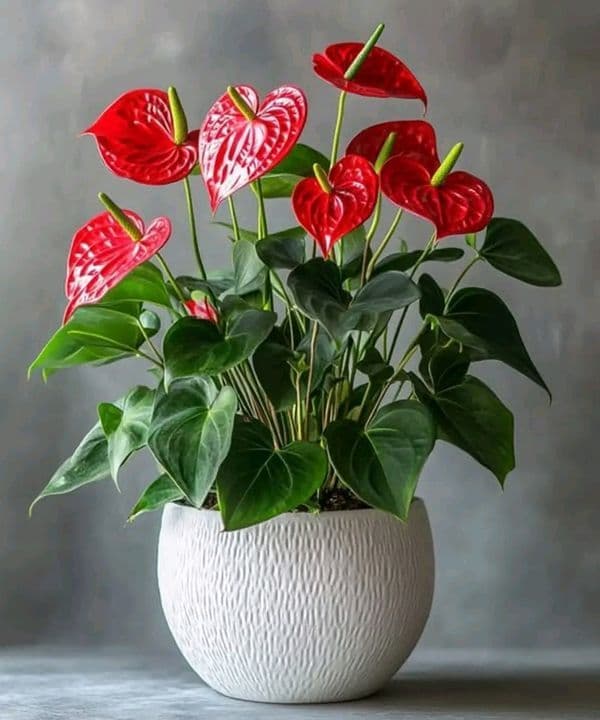
Anthurium🌿 Houseplant

Anthurium

Anthurium andraeanum
Bright indirectWater every 7dFeed every 30d

Anthuriums thrive in high humidity, so mist the leaves regularly or place them on a pebble tray. Keep the soil consistently moist but never waterlogged, and wipe the leaves with a damp cloth to keep them free of dust and pests.

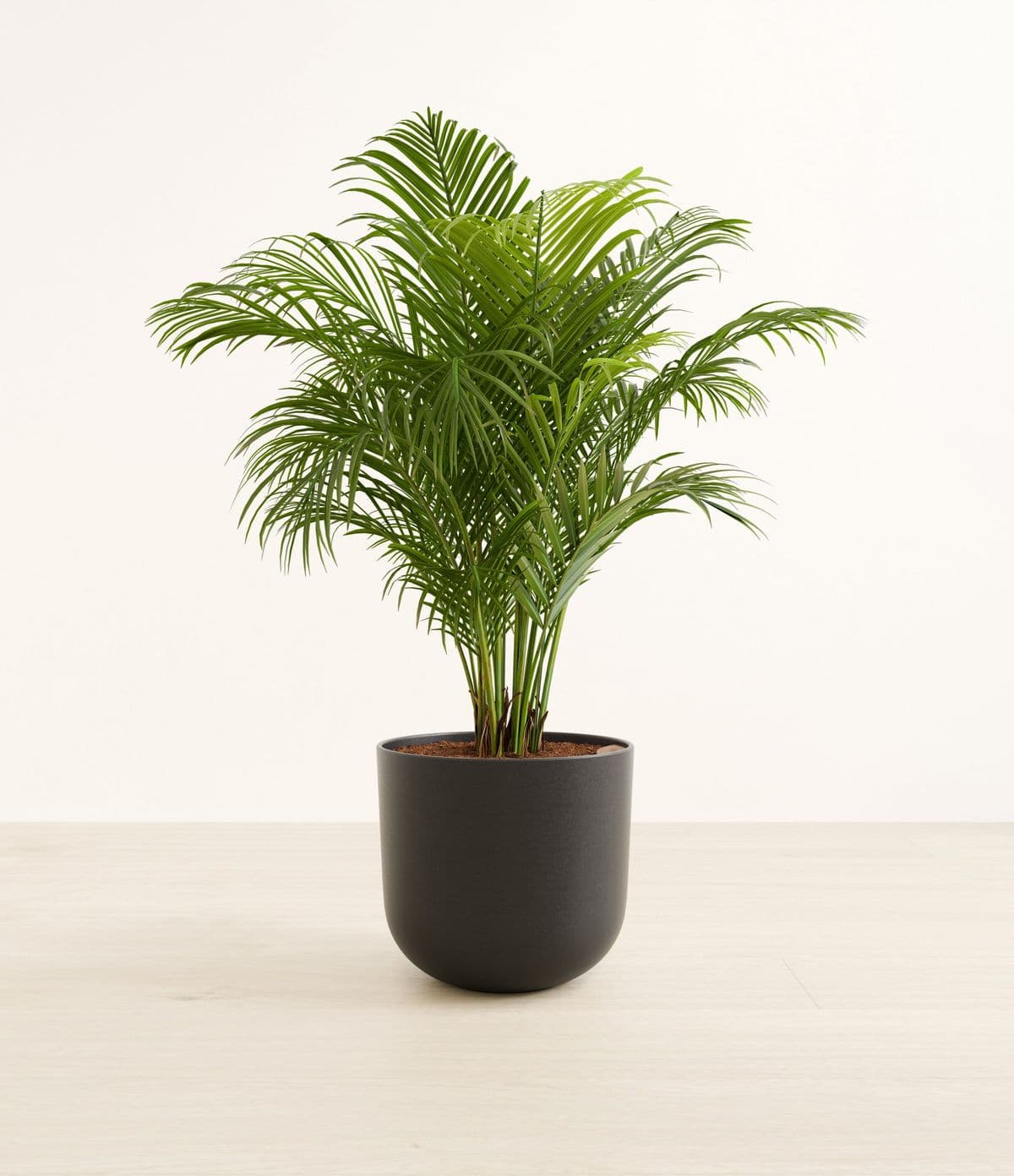
Areca Palm🌿 Houseplant

Areca Palm

Dypsis lutescens
Bright indirectWater every 4dFeed every 21d

Wants bright, indirect light and consistently moist (not soggy) soil. Brown leaf tips usually mean the air is too dry or tap water minerals are building up — occasional distilled water helps.

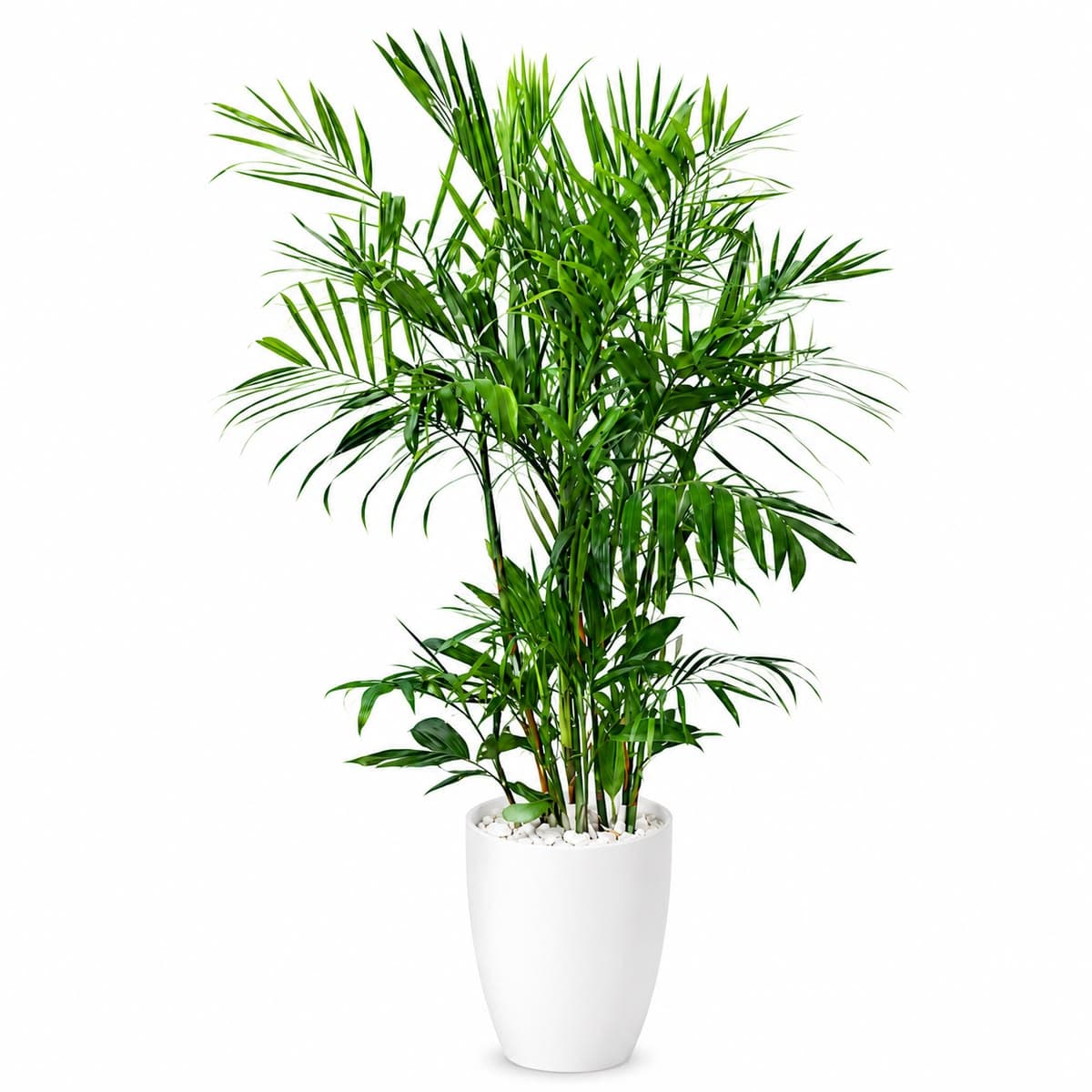
Bamboo Palm🌿 Houseplant

Bamboo Palm

Chamaedorea seifrizii
Bright indirectWater every 7dFeed every 30d

Keep the soil consistently moist but never waterlogged, as this palm dislikes sitting in standing water. Wipe the fronds occasionally with a damp cloth to remove dust and keep the plant healthy. If the tips turn brown, it is often a sign of low humidity or inconsistent watering, so consider misting the leaves during dry summer months.

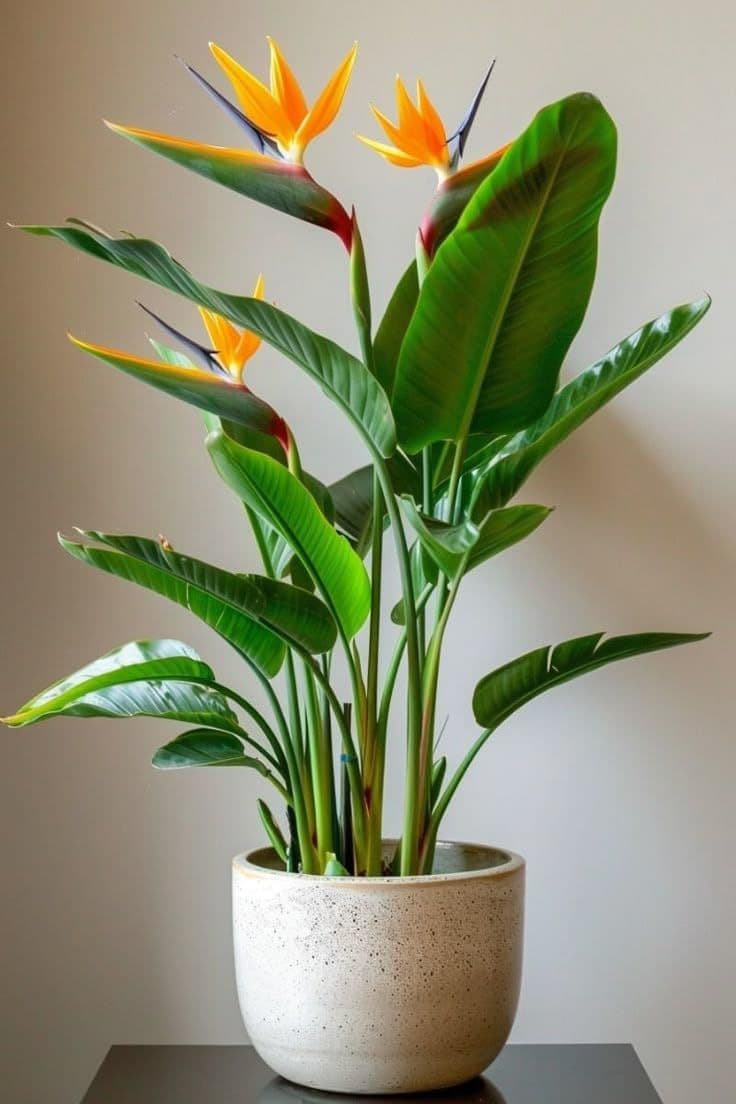
Bird of Paradise🌿 Houseplant

Bird of Paradise

Strelitzia reginae
Bright indirectWater every 7dFeed every 30d

Place your plant in a spot with excellent air circulation and bright light. Wipe the large leaves regularly with a damp cloth to remove dust, which helps the plant photosynthesize efficiently. During the active growing season, feed with a balanced liquid fertilizer to support its robust growth.

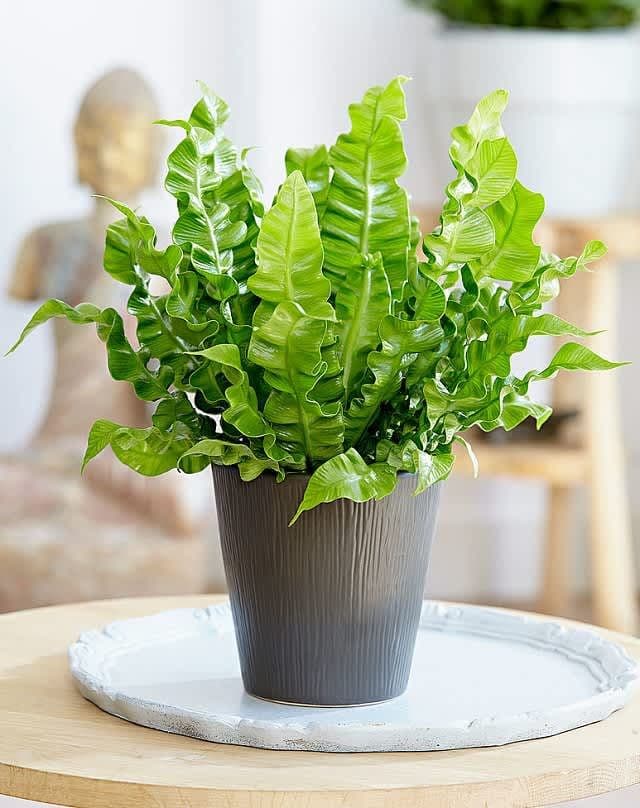
Bird's nest fern🌿 Houseplant

Bird's nest fern

Asplenium nidus
Medium lightWater every 5dFeed every 30d

The Bird's nest fern thrives on high humidity, so mist the leaves regularly or place it on a pebble tray filled with water. Keep the soil consistently moist but never waterlogged, and wipe the leaves gently with a damp cloth to keep them free of dust and pests.

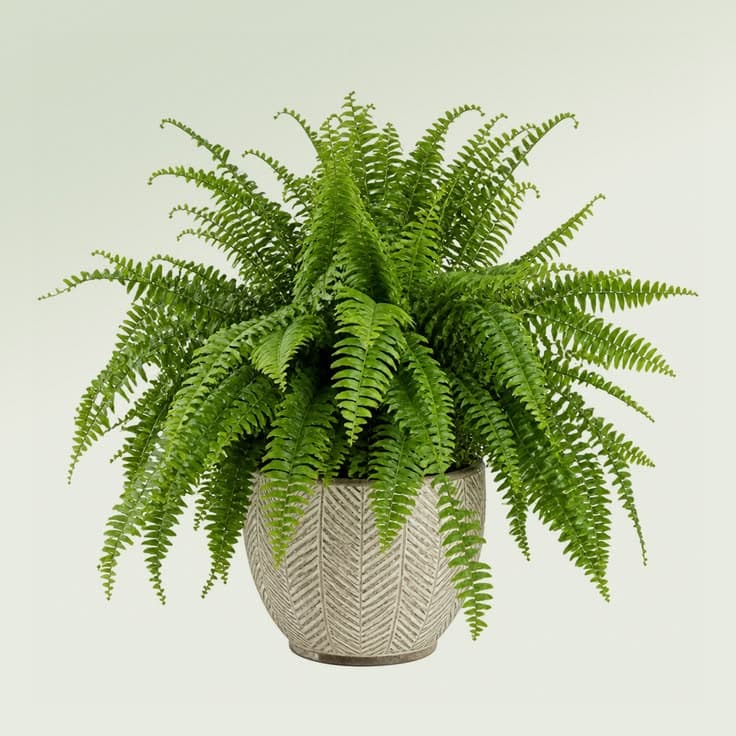
Boston Fern🌿 Houseplant

Boston Fern

Nephrolepis exaltata
Medium lightWater every 3dFeed every 30d

Wants humidity most Indian homes don't naturally have — mist regularly or sit the pot on a tray of wet pebbles. Crispy fronds are almost always dry air, not underwatering.

Broken Heart Plant🌿 Houseplant

Broken Heart Plant

Monstera adansonii
Bright indirectWater every 7dFeed every 30d

The Broken Heart Plant thrives in humid conditions, so mist the leaves occasionally or group it with other plants. Provide a moss pole if you want it to climb, or let it trail beautifully from a hanging basket. Ensure the pot has good drainage to prevent water from sitting at the roots, which is the most common cause of decline.

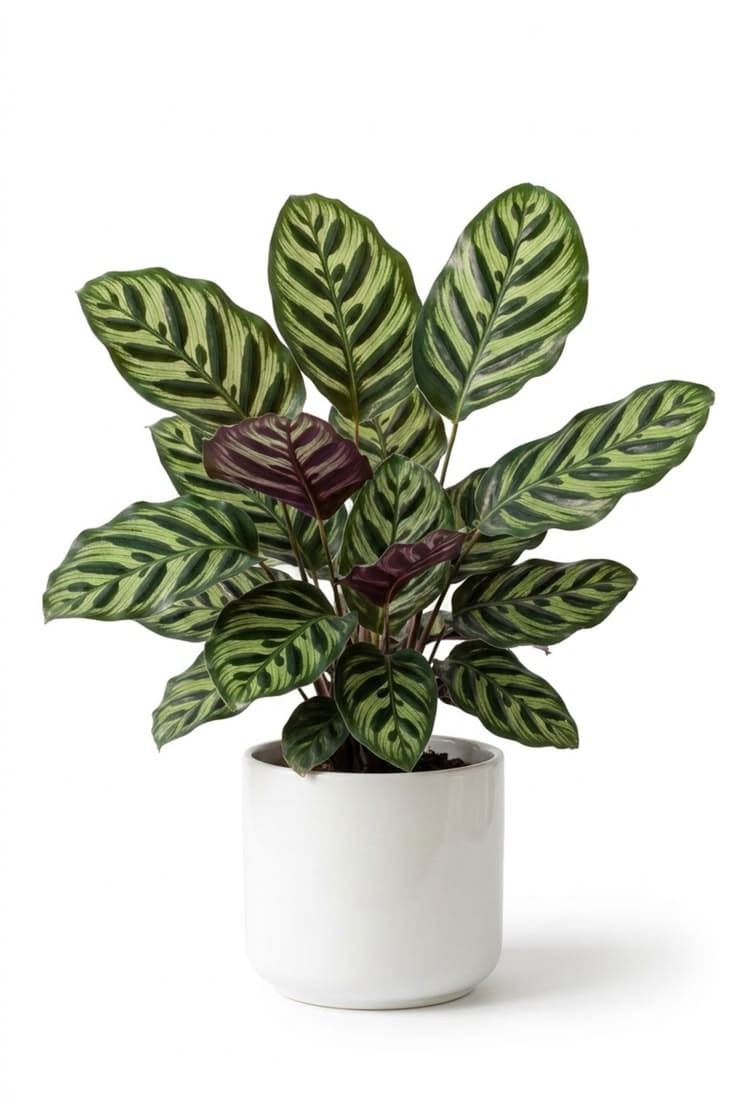
Calathea🌿 Houseplant

Calathea

Calathea orbifolia
Medium lightWater every 5dFeed every 30d

One of the fussier common houseplants — it wants consistently moist (not wet) soil, high humidity, and no direct sun, which scorches its patterned leaves. Tap water minerals often cause brown edges; filtered or rested water helps.

Cobra Fern🌿 Houseplant

Cobra Fern

Blechnum gibbum
Bright indirectWater every 3dFeed every 30d

The Cobra Fern thrives on high humidity, so mist the fronds regularly or place it on a pebble tray filled with water. Ensure the plant is kept away from direct drafts or air conditioning vents, as dry air will quickly cause the fronds to brown. During the growing season, use a balanced liquid fertilizer diluted to half-strength once a month to encourage healthy new growth.

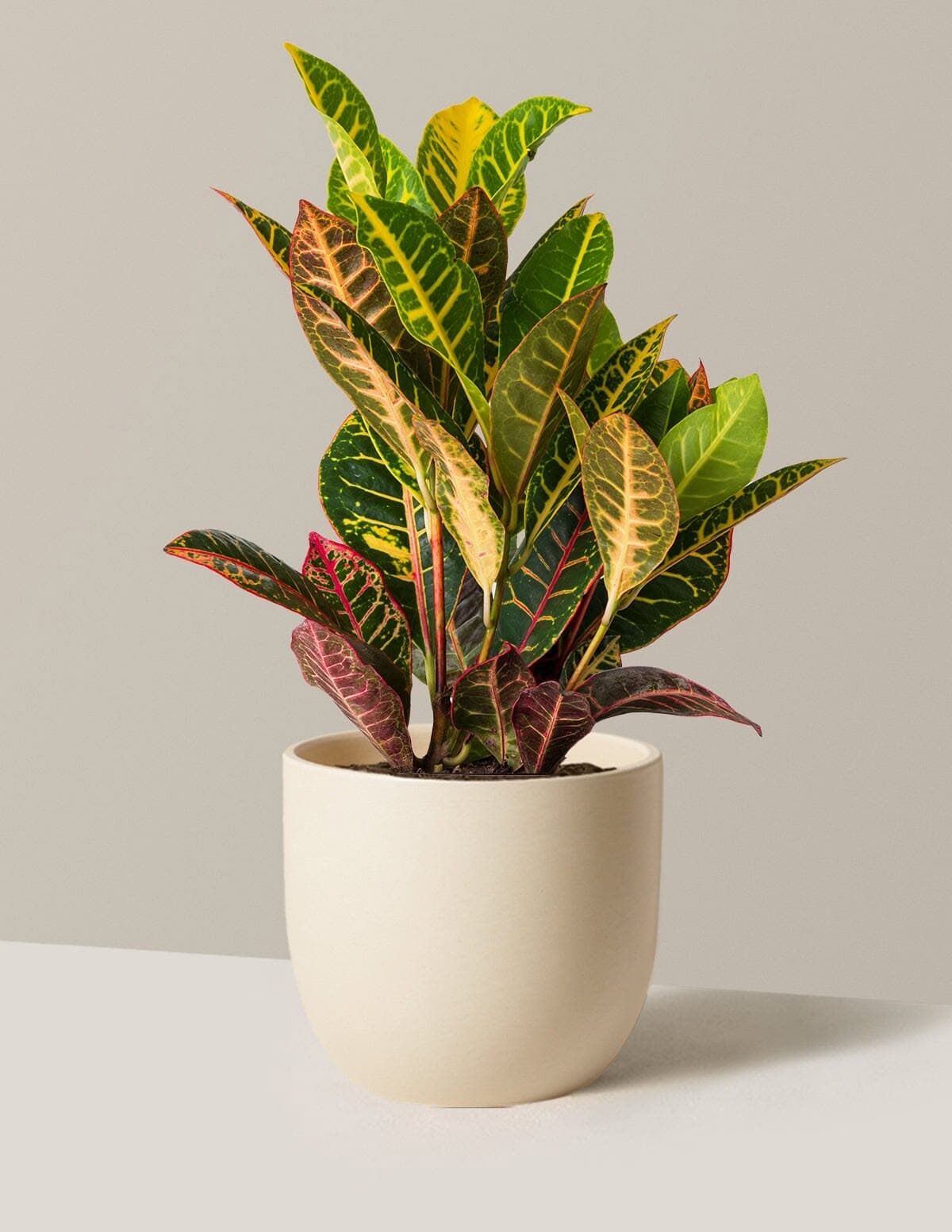
Croton🌿 Houseplant

Croton

Codiaeum variegatum
Bright indirectWater every 3dFeed every 30d

Crotons thrive in high humidity and consistent warmth, so avoid placing them in drafty areas or near air conditioning vents. If the plant begins to drop leaves, it is often a sign of sudden temperature changes or inconsistent watering. Regularly wipe the leaves with a damp cloth to keep them free of dust and pests.

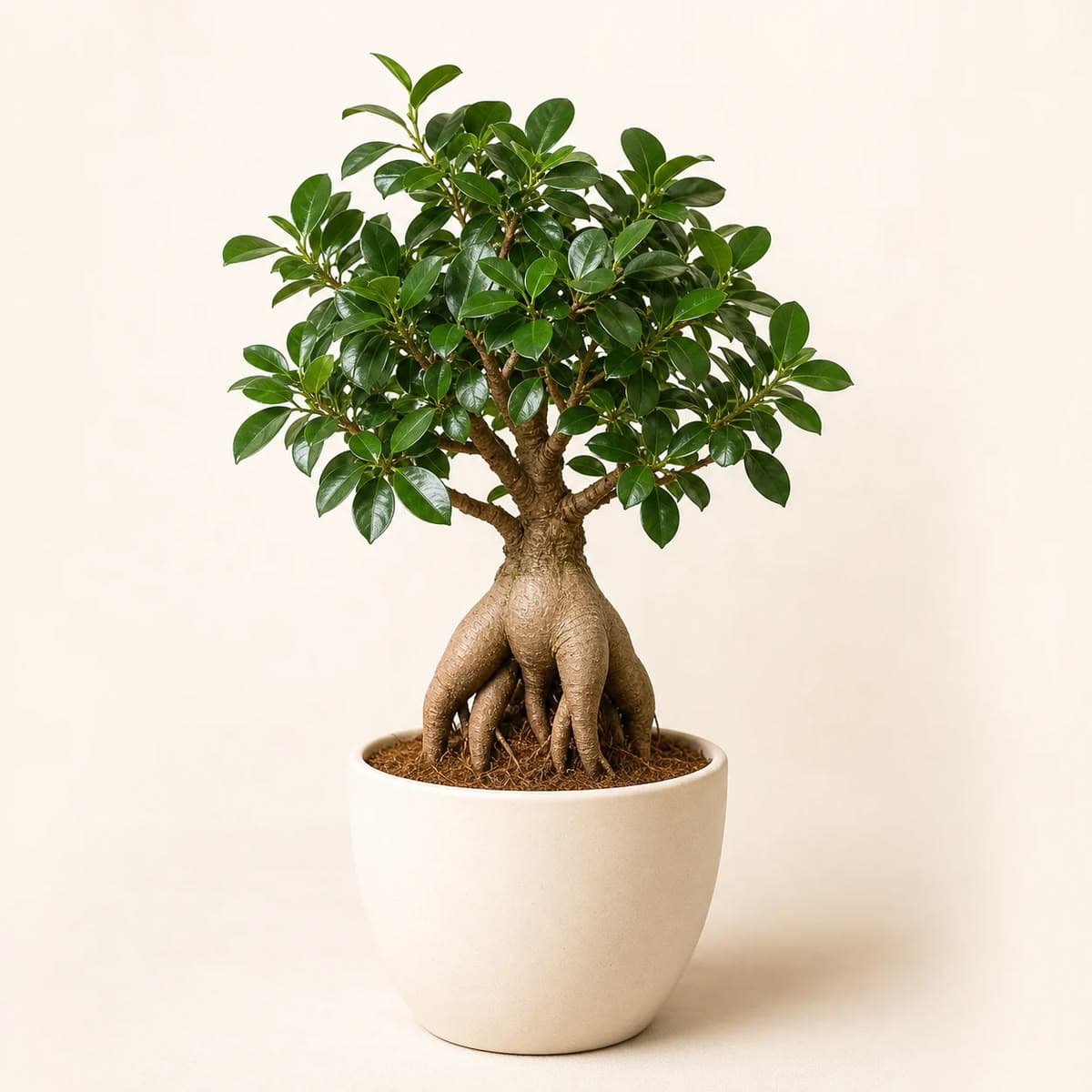
Ficus Bonsai🌿 Houseplant

Ficus Bonsai

Ficus retusa
Bright indirectWater every 4dFeed every 30d

Keep your Ficus in a stable location as it dislikes being moved frequently. Prune it regularly to maintain its shape and ensure the pot has excellent drainage to prevent water from pooling at the roots. During the hot Indian summer, mist the leaves occasionally to maintain humidity.

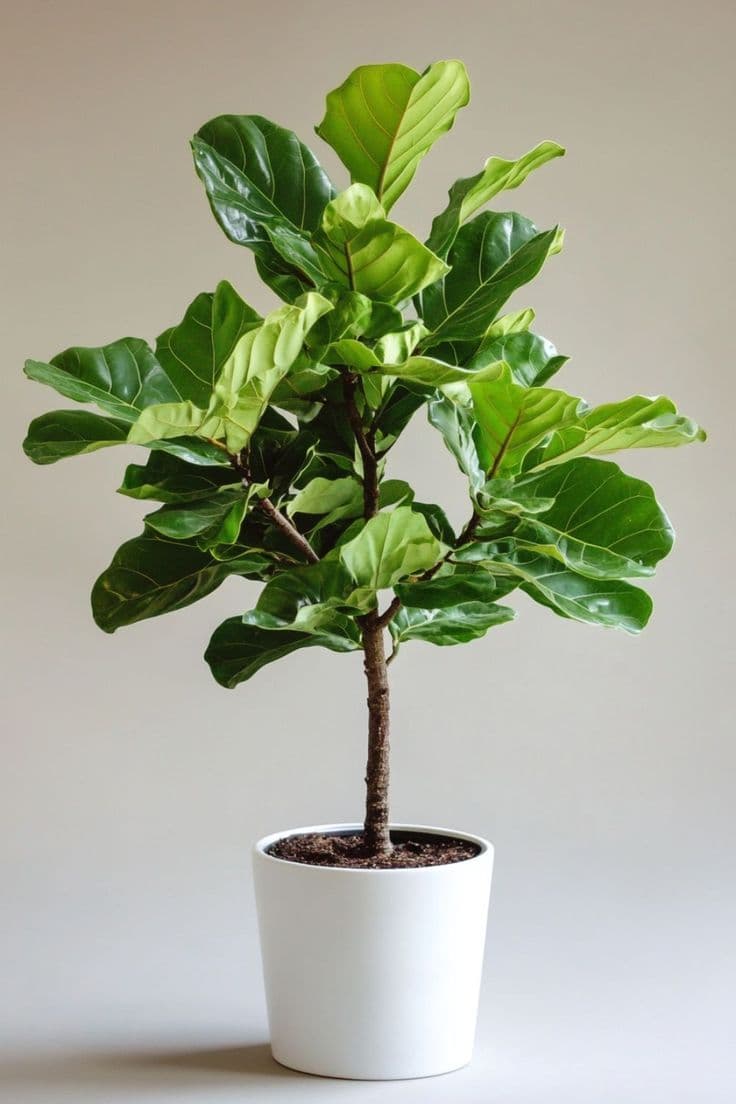
Fiddle Leaf Fig🌿 Houseplant

Fiddle Leaf Fig

Ficus lyrata
Bright indirectWater every 7dFeed every 30d

Fussy about change — it drops leaves after being moved or repotted, then recovers once settled. Wipe the large leaves occasionally so they can photosynthesize properly, and rotate the pot a quarter turn every few weeks so it doesn't grow lopsided toward the light.

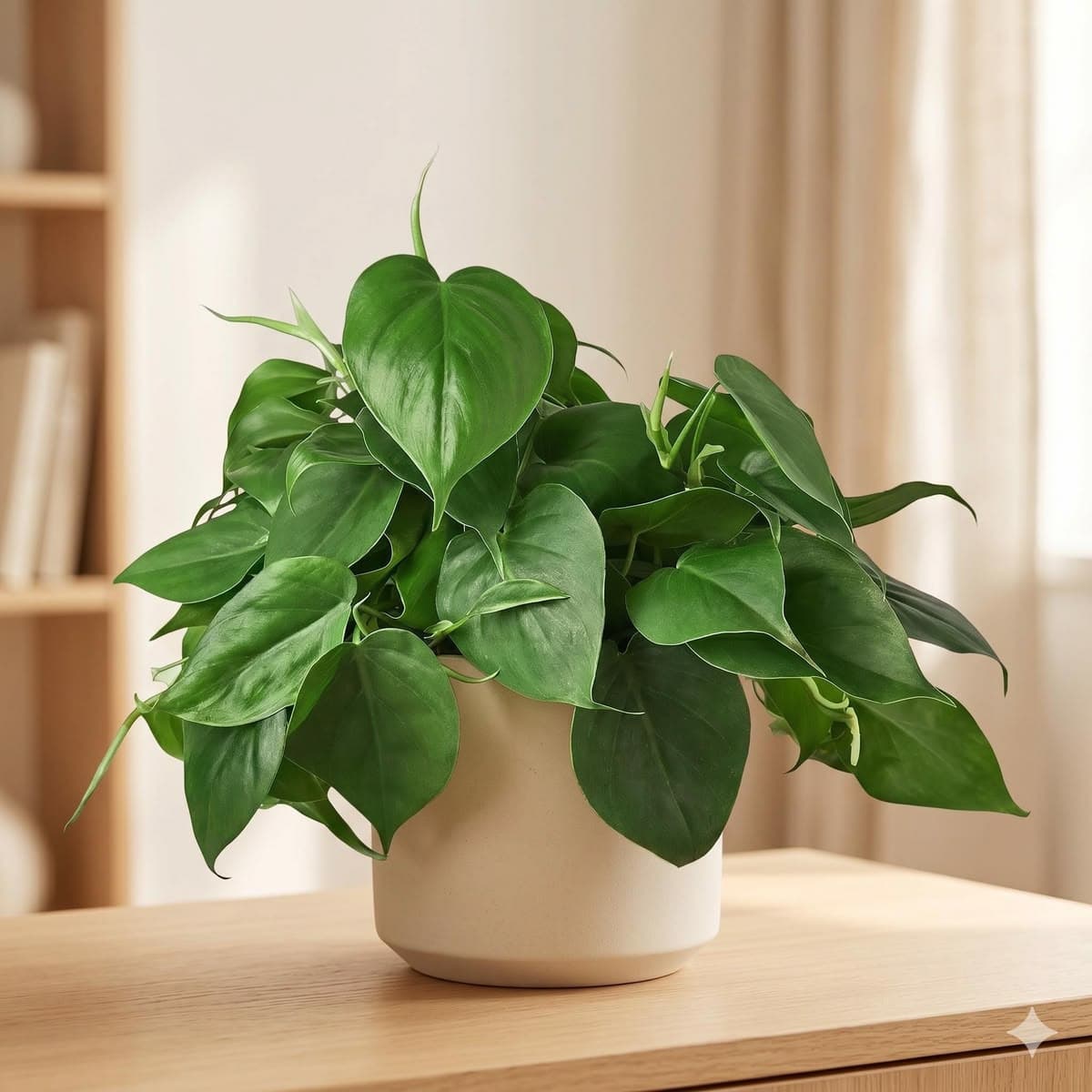
Heartleaf Philodendron🌿 Houseplant

Heartleaf Philodendron

Philodendron hederaceum
Low lightWater every 7dFeed every 30d

About as easy as trailing houseplants get — tolerates low light and irregular watering better than almost anything else on this list. Trim leggy vines to keep it full rather than sparse.

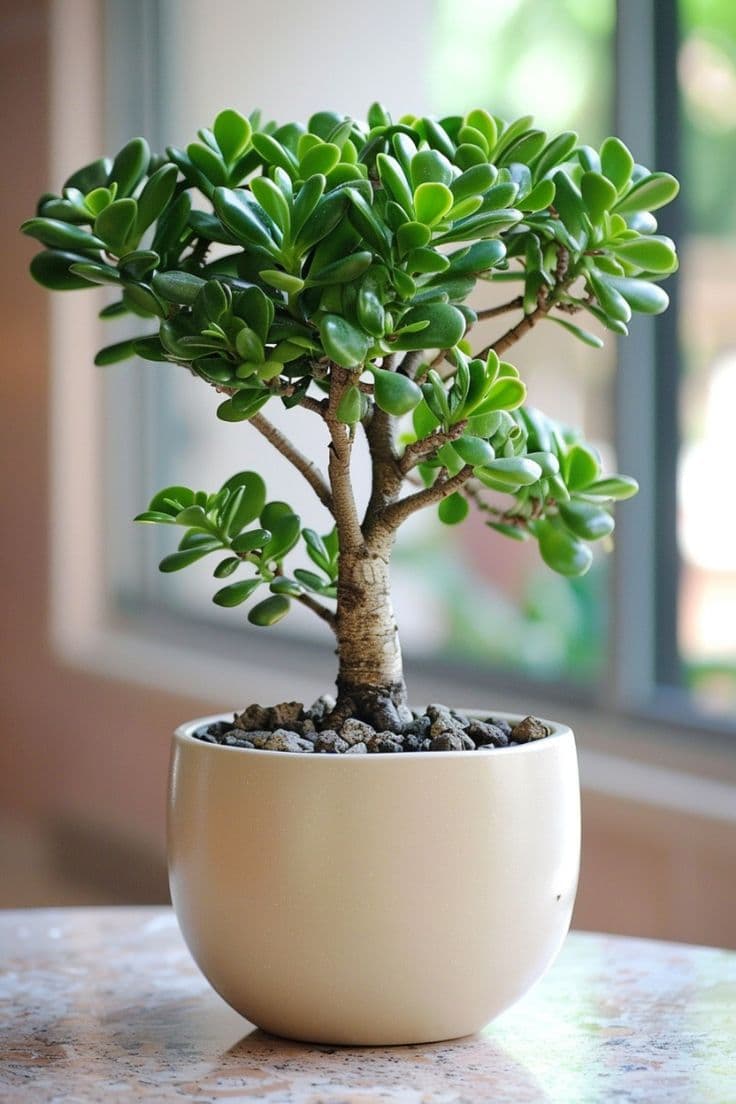
Jade Plant🌿 Houseplant

Jade Plant

Crassula ovata
Full sunWater every 16dFeed every 60d

A slow-growing succulent that wants at least a few hours of direct sun daily and a pot with real drainage. Shriveled leaves mean underwatering; soft, translucent ones mean the opposite.

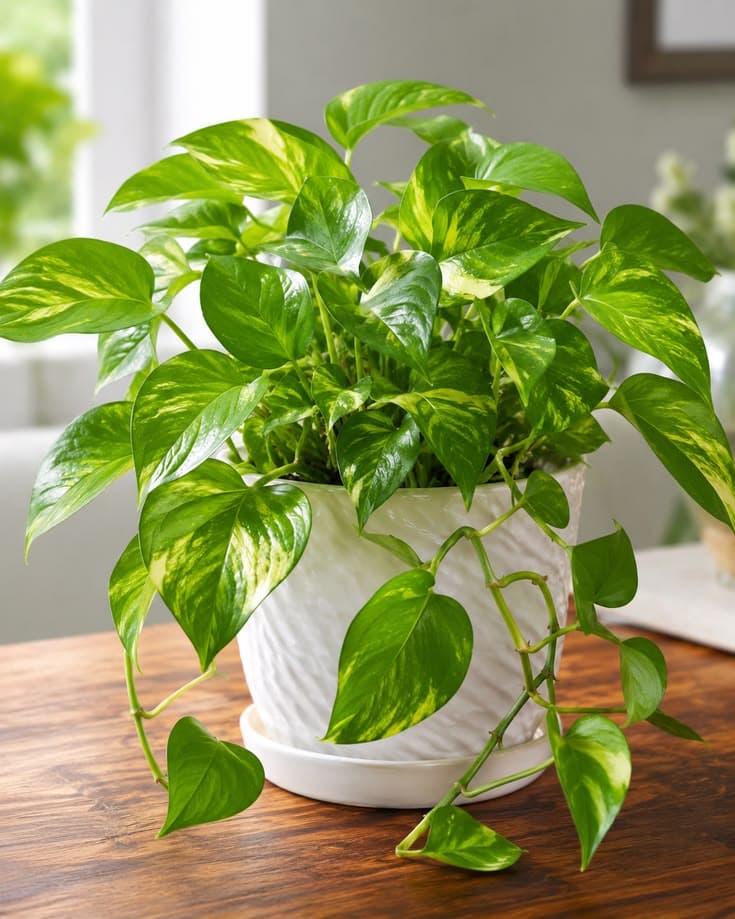
Money Plant (Pothos)🌿 Houseplant

Money Plant (Pothos)

Epipremnum aureum
Low lightWater every 7dFeed every 30d

One of the most forgiving houseplants there is. Let the soil dry out between waterings — overwatering is the only way most people kill this one. Trailing vines can be trained up a pole or left to hang.

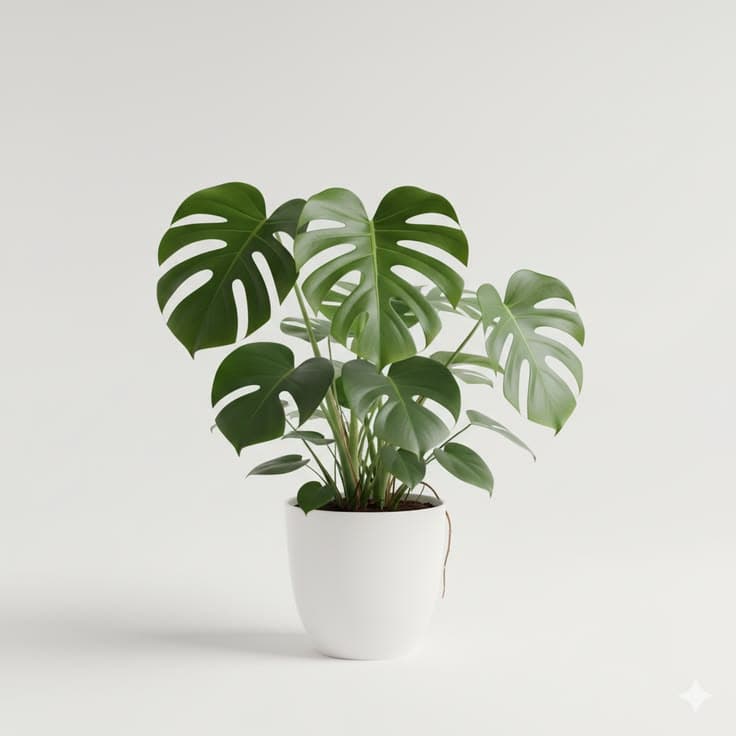
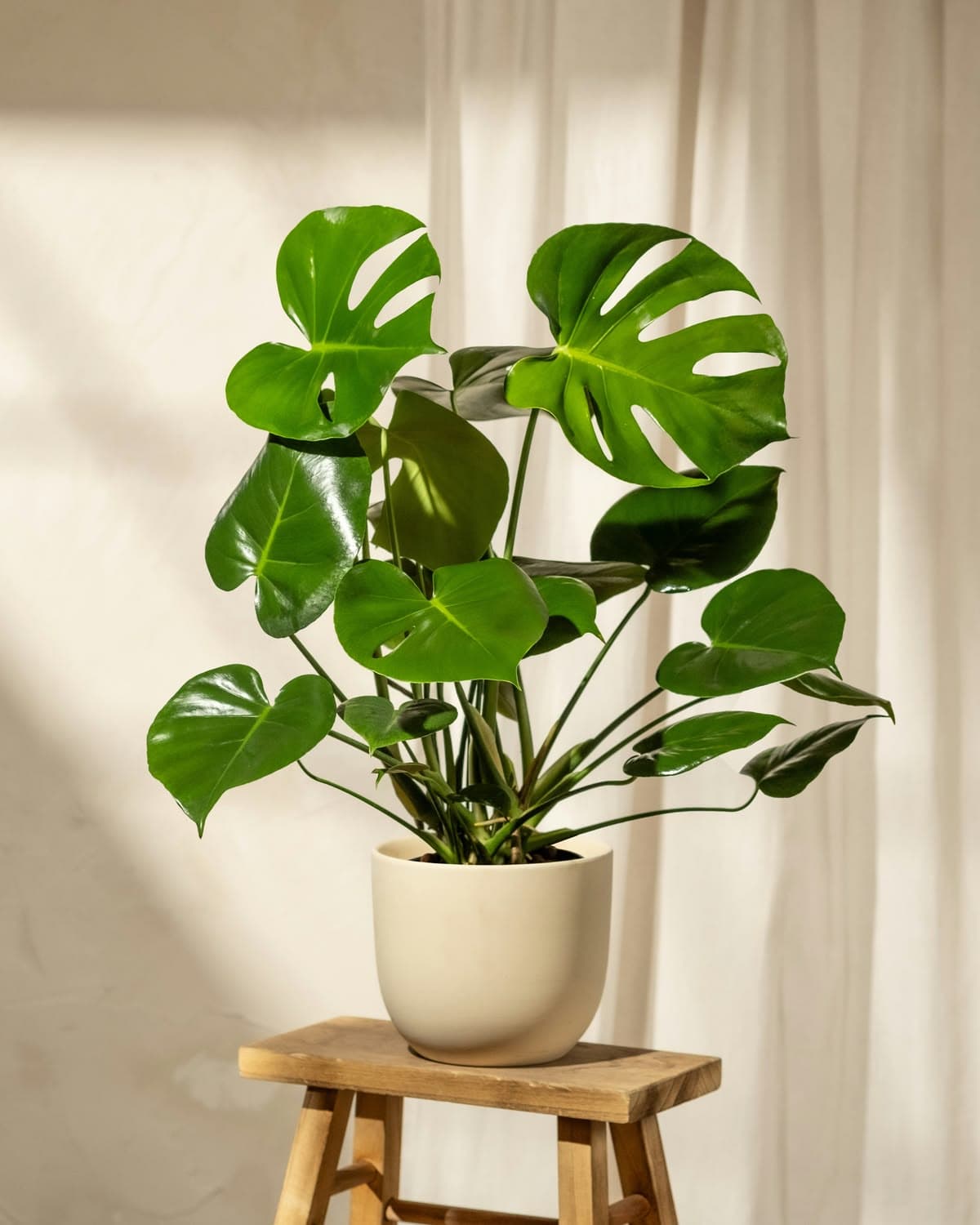
Monstera Deliciosa🌿 Houseplant

Monstera Deliciosa

Monstera deliciosa
Bright indirectWater every 7dFeed every 30d

Thrives in bright, indirect light. Allow topsoil to dry between waterings. Wipe leaves regularly to maintain shine and prevent dust buildup.

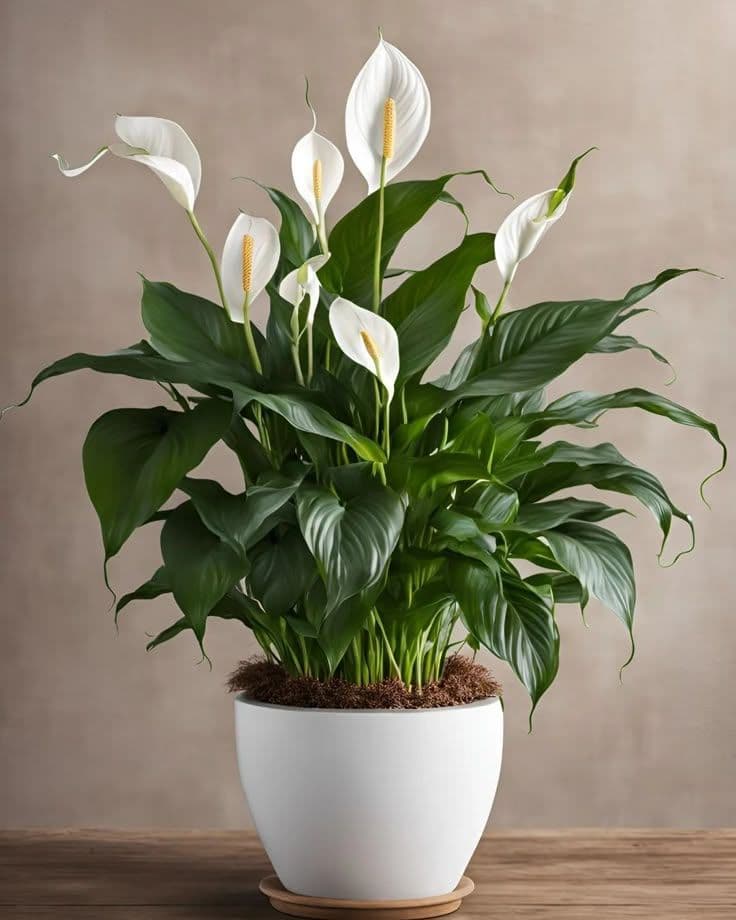
Peace Lily🌿 Houseplant

Peace Lily

Spathiphyllum
Medium lightWater every 5dFeed every 30d

Tells you when it's thirsty — the leaves droop dramatically, then perk back up within hours of watering. Keep out of direct sun, which scorches the leaf tips.

Philodendron🌿 Houseplant

Philodendron

Philodendron erubescens
Bright indirectWater every 7dFeed every 30d

Keep your Philodendron in a warm, humid spot away from cold drafts. Wipe the leaves occasionally with a damp cloth to remove dust and help the plant breathe. Provide a moss pole or trellis if you want it to climb, or let it trail gracefully from a hanging basket.

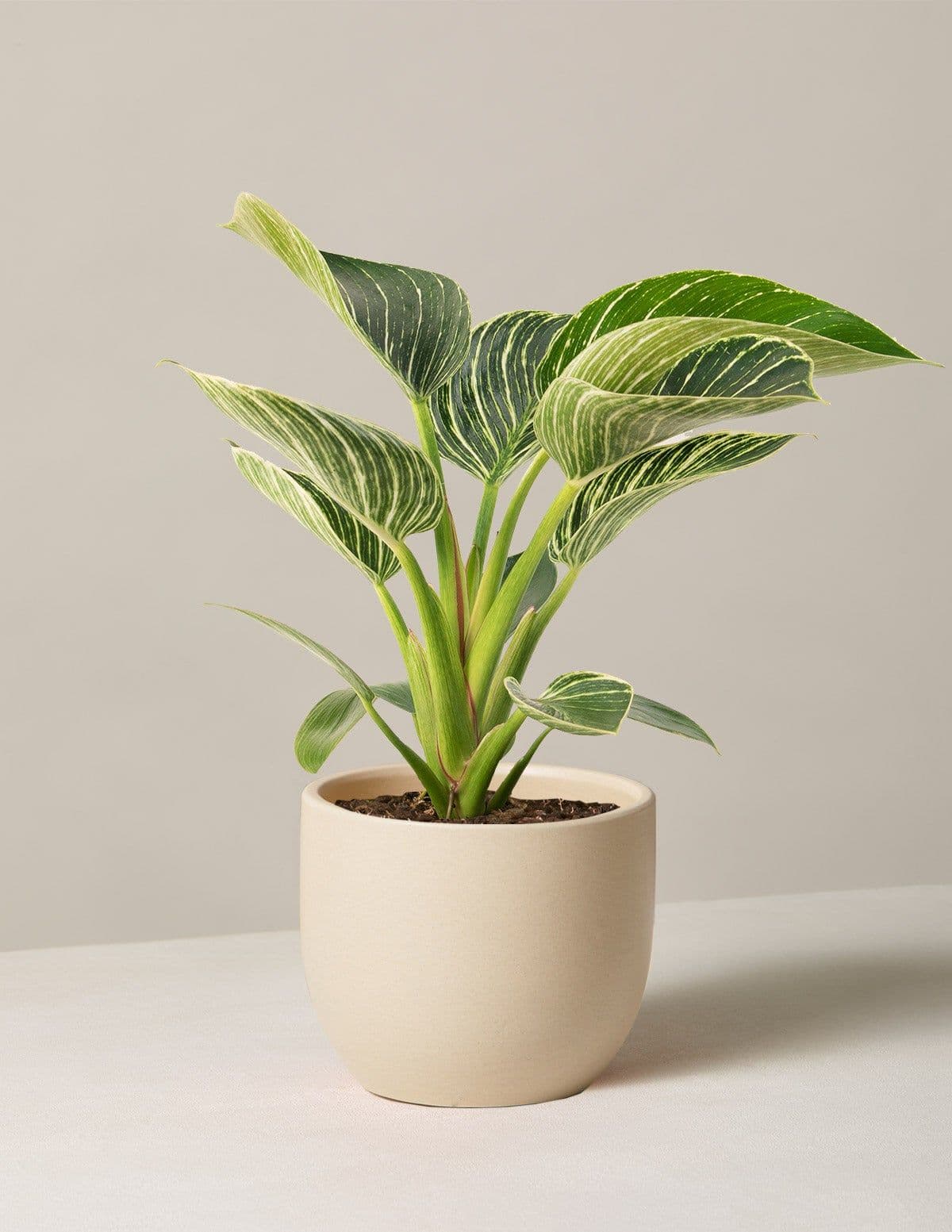
Philodendron Birkin🌿 Houseplant

Philodendron Birkin

Philodendron erubescens 'Birkin'
Bright indirectWater every 7dFeed every 30d

Keep your Birkin in a warm, draft-free spot away from direct harsh sunlight, which can scorch the leaves. Wipe the leaves occasionally with a damp cloth to remove dust and help the plant breathe. Ensure the pot has good drainage to prevent water from sitting at the roots, as this is the most common cause of decline.

Philodendron Selloum🌿 Houseplant

Philodendron Selloum

Philodendron bipinnatifidum
Bright indirectWater every 7dFeed every 30d

Keep the large leaves dust-free by wiping them gently with a damp cloth to help the plant breathe. Ensure the pot has excellent drainage to prevent water from sitting at the roots, as this is the most common cause of decline. During the peak of the Indian summer, mist the leaves occasionally to maintain humidity and keep the foliage vibrant.

Rabbit's Foot Fern🌿 Houseplant

Rabbit's Foot Fern

Davallia fejeensis
Bright indirectWater every 4dFeed every 30d

The key to success is maintaining high humidity and keeping the fuzzy rhizomes above the soil surface rather than burying them. Mist the plant regularly or place it on a pebble tray to mimic its natural tropical environment, and trim away any dead or yellowing fronds to encourage fresh growth.

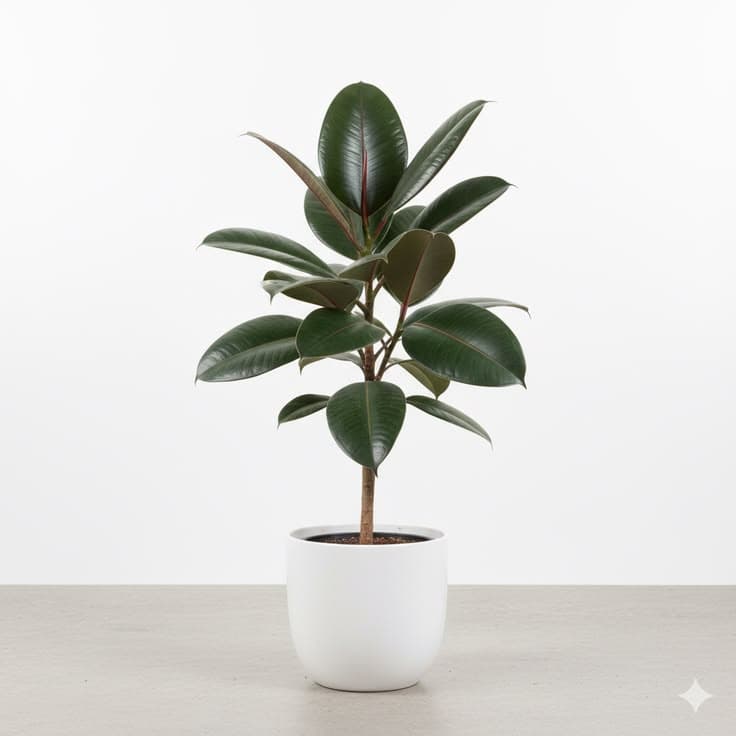
Rubber Plant🌿 Houseplant

Rubber Plant

Ficus elastica
Medium lightWater every 8dFeed every 30d

Considerably more tolerant of low light and inconsistent watering than its cousin the fiddle leaf fig. The sap can irritate skin, so wear gloves when pruning.

Satin Pothos🌿 Houseplant

Satin Pothos

Scindapsus pictus
Bright indirectWater every 7dFeed every 30d

Satin Pothos thrives when given consistent, bright indirect light and allowed to dry out slightly between waterings. Wipe the leaves occasionally with a damp cloth to remove dust and keep them looking shiny. If the stems become too long or sparse, don't hesitate to prune them to encourage a bushier, fuller growth habit.

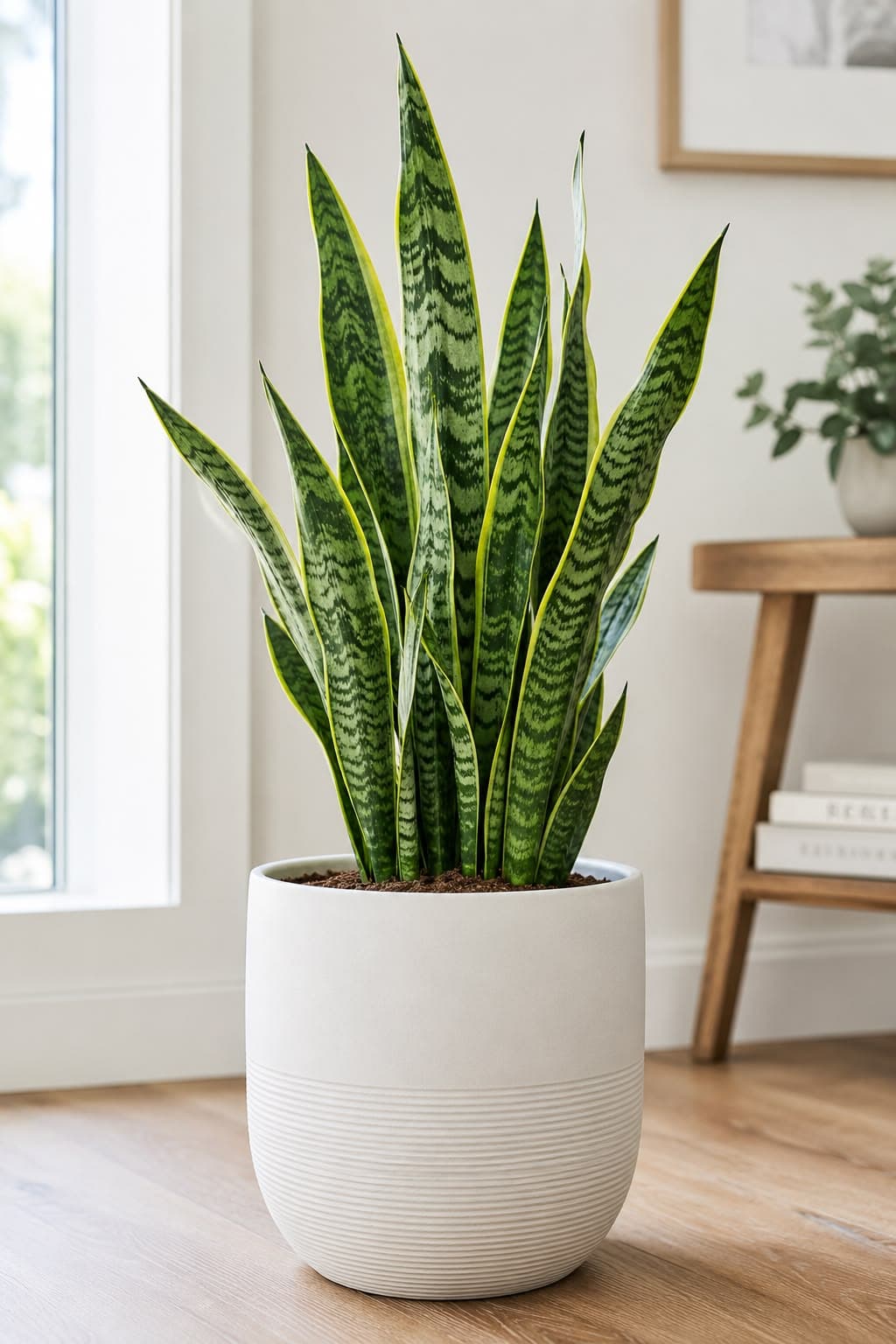
Snake Plant🌿 Houseplant

Snake Plant

Dracaena trifasciata
Low lightWater every 14dFeed every 60d

Thrives on neglect. Water sparingly, even less in winter, and don't panic about weeks of no attention. Tolerates low light better than almost any other houseplant.

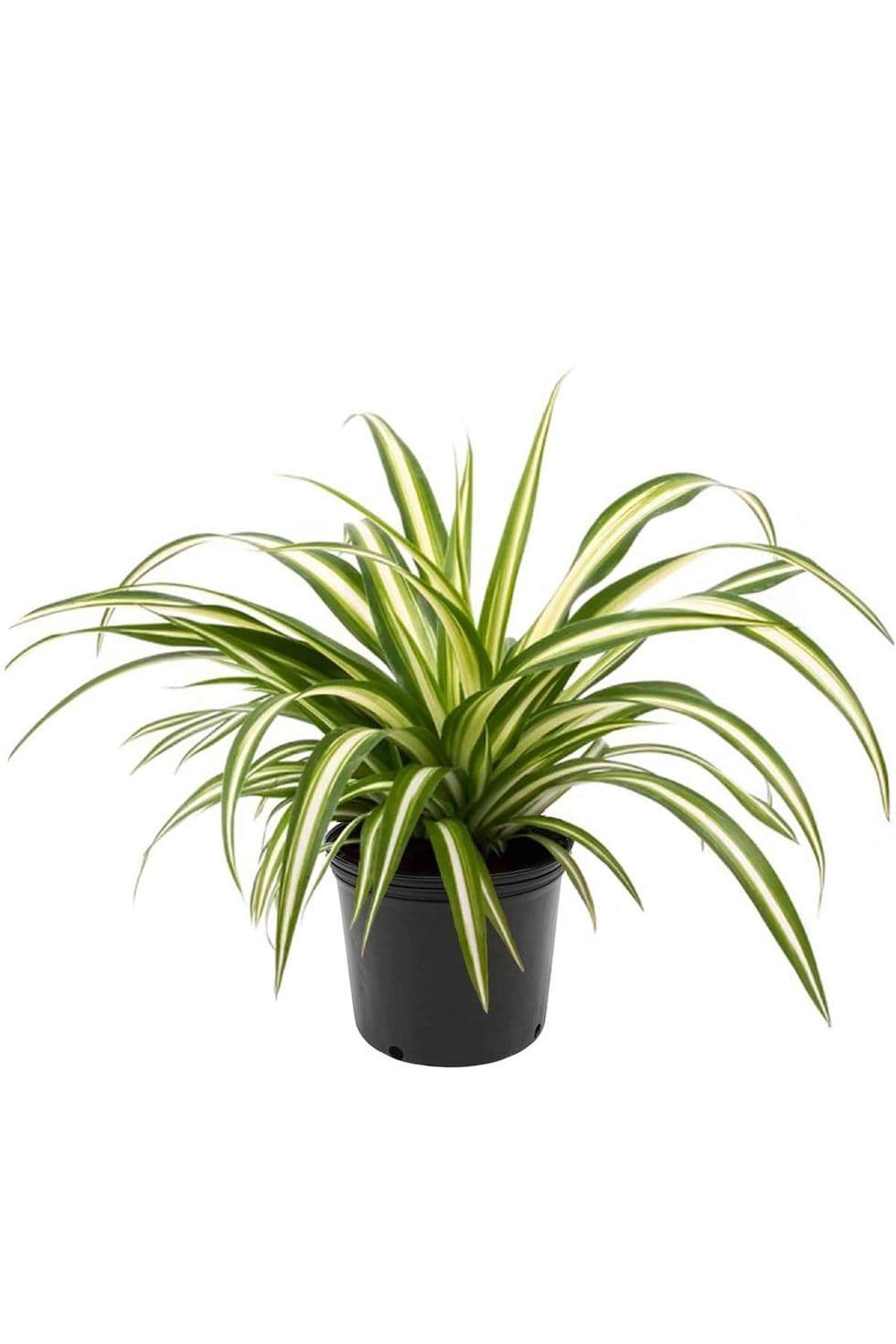
Spider Plant🌿 Houseplant

Spider Plant

Chlorophytum comosum
Medium lightWater every 6dFeed every 30d

Nearly indestructible, and produces baby plantlets on long stems once mature, which can be potted separately. Brown tips are almost always fluoride or chlorine in tap water, not a care mistake.

Spineless Yucca🌿 Houseplant

Spineless Yucca

Yucca elephantipes
Bright indirectWater every 14dFeed every 60d

The Spineless Yucca is very forgiving and prefers to be left alone rather than over-cared for. Ensure it is planted in a pot with excellent drainage and avoid letting it sit in water, as it is highly susceptible to root rot. Wipe the leaves occasionally with a damp cloth to keep them free of dust and help the plant breathe.

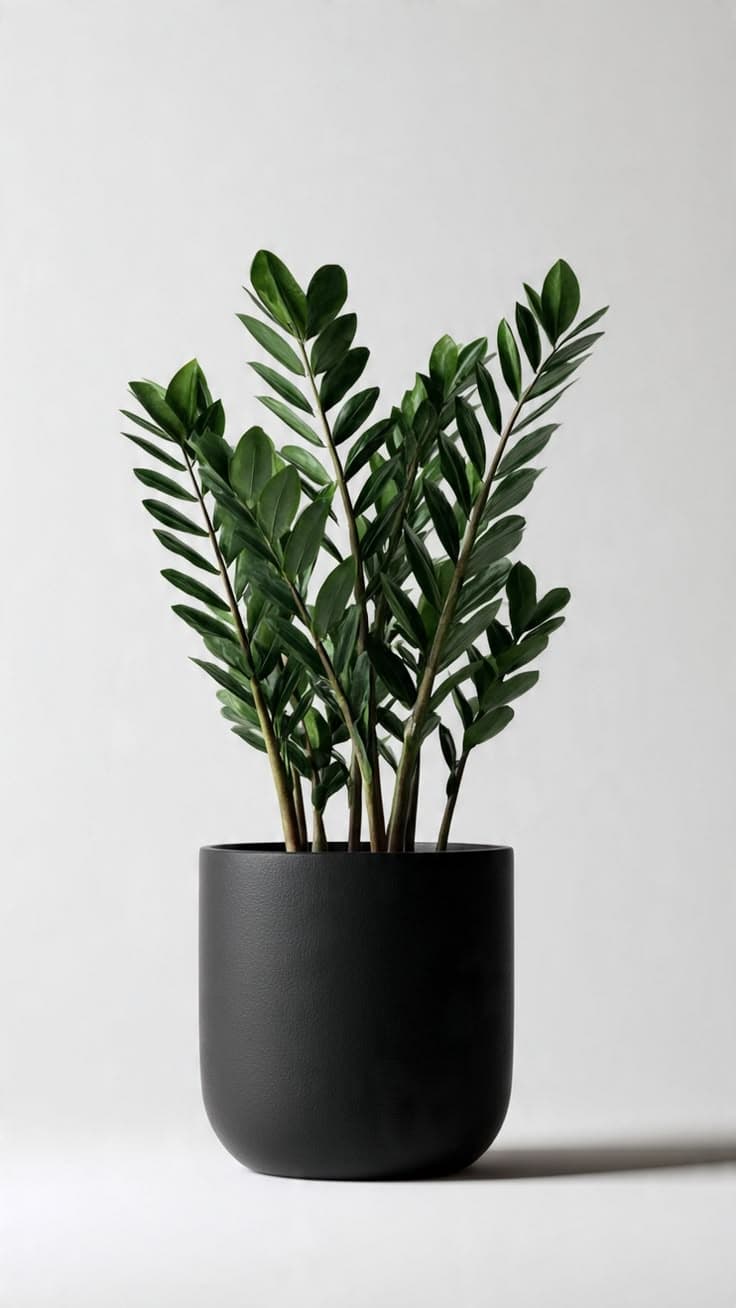
ZZ Plant🌿 Houseplant

ZZ Plant

Zamioculcas zamiifolia
Low lightWater every 18dFeed every 60d

Stores water in thick rhizomes underground, so it's built to be forgotten. Overwatering, not underwatering, is what kills this one — let the soil go fully dry between waterings, more so in low light.